
"Japanese literary cafes"
200 article(s) found

Development History of Japanese Cafe and Foreign Cafe
Japanese Cafe lithographic poster Edward Funier Japan Cafe is a song and dance nightclub in Montmartre where Parisian artists gather. In 1893, the place was redecorated and incorporated into the very fashionable Japanese style and lanterns of the time. In order to attract customers to attend the opening ceremony of the nightclub, cafe owner Edward Funier customized it from Lautrek.

Travels to Shenzhen | Bookstore and Coffee, spend the weekend in a literary and artistic manner
Communication of professional baristas Please pay attention to the coffee workshop (Wechat official account cafe_style) people usually run around the city, but no one leaves a trace of softness to each other in busy days; so eager to leave on holiday, to the nearest "far away" is also possible, drag luggage to step off the train, the scene looks like home but not like home. Let's be in a good mood.

MiyazakiHayao theme Cafe Ghibli Cafe Japanese cartoons
Ghibli Cafe, Ghibli Cafe, in the Ghibli Museum. After visiting the Ghibli Museum, I saw this sunny fairy tale cafe. Cafes from decoration to food design, are full of Ghibli elements, red pig, little witch, fans must be very fond of. There is a Chinese menu in the cafe, and there are many Chinese fans here. MiyazakiHayao is in the middle

BL Cafe opened in Ikebukuro Ward, Japan to satisfy the rotten girl
BoysLove(BL/mei) is a Japanese literary genre, usually presented as manga or anime, depicting a romantic relationship between one man and another. These gay stories are usually written by women for gay women who want to see beautiful men making out together. Just like the maid coffee shop built for otaku in Akihabara, fictional fantasy seeps into real life only to

Literary and artistic youth must go to Top10, the smallest cafe in Hangzhou, to feel the still charm of romance.
Maybe you've had a lot of coffee and been to a lot of cafes, but there are always a few that you've heard a lot about but haven't been to. Today, I would like to recommend 10 cafes in Hangzhou that are often heard of but difficult to find. It is recommended to collect, wait until the spare time, a product in the past! Mortal Cafe, which can be regarded as an elder cafe in Hangzhou, has been hiding in Wu for more than ten years.

Selection of Taiwan's most distinctive Cafe 4: Taipei, Erdi Tong ~ serenade
The "Ertiaotong Green Island Serenade", which has been preserved and rebuilt since the Japanese occupation era, was once the home left by the veteran Japanese photographer Mr. Sasaki, and it became even more elegant after years of hardening. Near the busy Taipei station, you can rarely find such a secluded place with a strong Japanese flavor, as if stepping into a time machine, even in the reconstruction of the old house.

[coffee addicts please come in] Sazawa, Lower North Japan, must go to the coffee shop!
Not only in Taiwan, but also in Japan, literary youths also like to go to coffee shops. In recent years, Xiabeisawa has become a new gathering place for literary youth, so it has attracted more and more attention. There are many coffee shops in Xiabeze, which can be seen everywhere. It has become a new place for coffee pilgrimage, and the transportation is very convenient. Although the place is small, it is deeply loved by young people. In this issue, the editor is going to introduce you to several places located in
Coffee Origin Coffee Introduction China Taiwan
18th century, 1884 (Guangxu 10 years) British introduced coffee in Taipei Three Gorges trial planting, Japanese occupation era, Japanese see Taiwan climate soil suitable for coffee, so from abroad to introduce "Arabica", in the north trial success, then in Zhiben, Mizuho a large number of investment in planting, yield is good. 19th century, 1941, rich production, good quality flavor, creating coffee in Taiwan's victory period, not

China Taiwan Coffee Taiwan Coffee Origin Introduction
18th century, 1884 (Guangxu 10 years) British introduced coffee in Taipei Three Gorges trial planting, Japanese occupation era, Japanese see Taiwan climate soil suitable for coffee, so from abroad to introduce "Arabica", in the north trial success, then in Zhiben, Mizuho a large number of investment in planting, yield is good. 19th century, 1941, rich production, good quality flavor, creating coffee in Taiwan's victory period, not
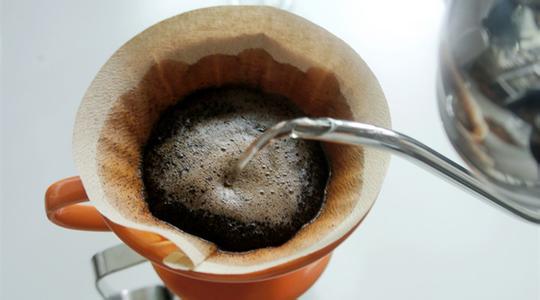
The three keys to being a good barista, how to be a good barista?
When most coffee shop owners hire baristas, the most important thing is not a job seeker who is skilled in brewing coffee. They pay more attention to first impressions, including conversation, appearance and basic knowledge of coffee. After successful entry into the industry, in addition to coffee knowledge and technology, in fact, many beginners ignore the following three points. If you start to improve yourself from the following aspects, the boss is bound to change.

The most famous coffee shop in Beijing-Cafe Clark's amazing Japanese and Western coffee shop
Professional coffee knowledge exchange more coffee bean information please follow the coffee workshop (Wechat official account cafe_style) Beijing is a big circle, where you can always find the kind of life you want. For example, cafes, which not only have the taste of Starbucks chains, but also the small shops hidden in the streets and alleys, some of which follow the Japanese style.
Coffee producing area-- Taiwan, China
In the 18th century, in 1884 (Guang Xu's 10th year), the British introduced coffee to the three Gorges in Taipei. during the Japanese occupation, the Japanese saw that Taiwan's climate and soil were suitable for coffee, so they introduced "Arabica" from abroad and successfully planted it in the north. Mizuho invested heavily in planting and had a good yield. In the 19th century, in 1941, the output was rich, the quality and flavor was good, which made coffee in Taiwan's complete victory period. No.

An introduction to Taiwan's coffee culture? The development of coffee in Taiwan?
Professional coffee knowledge exchange more coffee bean information Please follow the coffee workshop (Wechat official account cafe_style) one of the topics on cross-strait coffee culture. Taiwan's early coffee culture was deeply influenced by Japan. At that time, cafes played an important role in the literary, painting and art circles. Nowadays, cheap fresh freshly ground coffee has become a part of Taiwan's common culture, especially fine coffee and hand-brewed coffee.
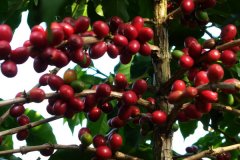
Taiwan Coffee Culture Coffee in Taiwan
In the 18th century, in 1884 (Guang Xu's 10th year), the British introduced coffee for trial planting in the three Gorges of Taipei. during the Japanese occupation era, the Japanese saw that Taiwan's climate and soil were suitable for coffee, so they introduced "Arabica" from abroad and successfully planted it in the north. Mizuho invested a lot in planting and had a good yield. In the 19th century, in 1941, the output was rich, the quality and flavor was good, which made coffee in Taiwan's complete victory period. No.
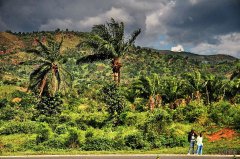
Taiwan Coffee Manor boutique coffee
In the 18th century, in 1884 (Guang Xu's 10th year), the British introduced coffee for trial planting in the three Gorges of Taipei. during the Japanese occupation era, the Japanese saw that Taiwan's climate and soil were suitable for coffee, so they introduced "Arabica" from abroad and successfully planted it in the north. Mizuho invested a lot in planting and had a good yield. In the 19th century, in 1941, the output was rich, the quality and flavor was good, which made coffee in Taiwan's complete victory period. No.
Coffee Bean Asia China Taiwan
18th century, 1884 (Guangxu 10 years) British introduced coffee in Taipei Three Gorges trial planting, Japanese occupation era, Japanese see Taiwan climate soil suitable for coffee, so from abroad to introduce "Arabica", in the north trial success, then in Zhiben, Mizuho a large number of investment in planting, yield is good. 19th century, 1941, rich production, good quality flavor, resulting in coffee in Taiwan's victory period, soon
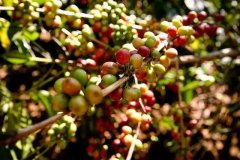
Taiwan Coffee Flavor Coffee Taiwan Coffee Culture
In the 18th century, in 1884 (Guang Xu's 10th year), the British introduced coffee for trial planting in the three Gorges of Taipei. during the Japanese occupation era, the Japanese saw that Taiwan's climate and soil were suitable for coffee, so they introduced "Arabica" from abroad and successfully planted it in the north. Mizuho invested a lot in planting and had a good yield. In the 19th century, in 1941, the output was rich, the quality and flavor was good, which made coffee in Taiwan's complete victory period. No.

Taiwan coffee boutique coffee Taiwan coffee
In the 18th century, in 1884 (Guang Xu's 10th year), the British introduced coffee for trial planting in the three Gorges of Taipei. during the Japanese occupation era, the Japanese saw that Taiwan's climate and soil were suitable for coffee, so they introduced "Arabica" from abroad and successfully planted it in the north. Mizuho invested a lot in planting and had a good yield. In the 19th century, in 1941, the output was rich, the quality and flavor was good, which made coffee in Taiwan's complete victory period. No.
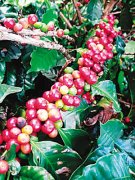
Taiwan coffee flavor Taiwan grows its own coffee
In the 18th century, in 1884 (Guang Xu's 10th year), the British introduced coffee for trial planting in the three Gorges of Taipei. during the Japanese occupation era, the Japanese saw that Taiwan's climate and soil were suitable for coffee, so they introduced "Arabica" from abroad and successfully planted it in the north. Mizuho invested a lot in planting and had a good yield. In the 19th century, in 1941, the output was rich, the quality and flavor was good, which made coffee in Taiwan's complete victory period. No.

The history of coffee in Taiwan: most of it is inherited from the Japanese era
Professional barista communication Please pay attention to the coffee workshop (Wechat official account cafe_style) most of Taiwan's coffee history is inherited from the Japanese era, although the early Dutch and British once occupied Taiwan, but did not leave much historical traces about coffee. Coffee trees were also planted during the Japanese occupation era, and the Japanese Industry Bureau introduced coffee from Hawaii in order to develop cash crops.